As cats enter their golden years, they often require extra attention and care, grooming being a significant part of their daily well-being. While youthful felines boast the flexibility and energy to keep themselves immaculately clean, senior cats may start to lag behind due to aging bodies and waning vigor. Understanding the unique needs of your senior cat’s grooming can make a considerable difference in their quality of life. As an informed and compassionate pet owner, it’s crucial to realize that these later years bring physical changes — such as decreased flexibility and the onset of arthritis — that can diminish a cat’s self-grooming ability. This shift in ability creates the need for a supportive grooming approach tailored to maintain not only their appearance but more importantly, their health and comfort.
Understanding the Grooming Needs of Senior Cats
The Purr-fect Care: Special Grooming Needs of Elderly Cats
As cats gracefully glide into their golden years, they start to sport the sophisticated look of seasoned whiskers and the calm demeanor of a life well-lived. With that distinguished status, however, comes the need for a bit of extra pampering, especially when it comes to grooming. Elderly cats, or seniors, typically those over the age of ten, require more attentive grooming, and here’s why.
First off, let’s acknowledge that senior cats often lose the gumption they once had for self-grooming. You might notice yours lounging more and licking less. This decrease in self-maintenance is commonly due to the aches and stiffness of arthritis, making it harder to reach those previously easily groomed spots. With this in mind, becoming that attentive groomer is crucial to keeping them comfortable and well-kept.
Now, onto the thick of it – their fur. It isn’t uncommon for an elder cat’s coat to lose some of its former luster and become matted more easily. Regular brushing becomes more than a bonding session; it’s a critical step to avoid painful tangles and reduce the amount of hair they ingest – because let’s face it, hairballs aren’t fun, no matter how many lives you’ve got!
Moreover, skin condition can change with age, sometimes becoming dry and flaky or more sensitive. A gentle brushing with the right type of brush for their coat can improve blood circulation, distribute natural oils, and keep the skin healthy. While you’re up close and personal, it’s also a good time to keep an eye out for lumps, bumps, or other skin issues that might warrant a vet visit.
When it comes to baths, elder cats may need them more frequently due to less grooming or potential incontinence issues. Warm water, a mild cat-friendly shampoo, and a gentle towel rub or blow-dry (if tolerated) will do the trick. Just ensure the bathing experience is as stress-free as possible – a non-slip mat and a quiet, warm room are key.
Don’t forget those claws! In their heyday, cats wear their claws down naturally through outdoor adventures or vigorous indoor scratching. Senior cats may not be as active, and their nails can become overgrown, sometimes curving into their paw pads if left unattended. Regular trims will keep their strides pain-free and their nails out of the furniture.
Lastly, oral hygiene remains a pivotal aspect of a senior cat’s grooming routine. Dental diseases are more common in elder felines, so brushing their teeth or providing dental treats can help maintain their dental health and prevent potentially serious complications.
Integrating these grooming practices into a routine ensures comfort and wellness for feline companions as they saunter through their seniority. Cats have given much love throughout their lives, and as they step into their twilight years, giving back through thoughtful, attentive grooming not only enhances their quality of life but also strengthens the bond they share with those who care for them. Happy grooming!
Photo by pactovisual on Unsplash
Essential Grooming Techniques for Older Cats
Tender Touch: Gentle Grooming Techniques for Your Senior Feline Friend
As our feline companions age, their once-lustrous coats may lose some of their shine and their skin may not be as robust as it once was. This delicate stage of their life requires that we adapt our approach to grooming, focusing on methods that are as gentle as they are effective. Catering to the unique care that senior cats require shines a light on the nuanced art of gentle grooming.
Selecting the Right Tools:
- Choose brushes with soft bristles to avoid scratching sensitive skin.
- A fine-toothed metal comb can untangle knots without pulling,
- While a rubber grooming glove can offer a gentle massage, capturing loose fur in the process.
- Avoid wire slicker brushes or anything that may tug harshly on their fur or skin.
Setting a Soothing Ambience:
Grooming should be a calming experience. A quiet room, away from the household hustle, helps in keeping the senior cat serene. Introduction of the grooming session with soft strokes using the hands can set a tranquil tone, easing them into the full grooming routine.
Frequency and Duration:
While the grooming session’s frequency remains important, the duration should be shortened to prevent overstimulation or discomfort. Opt for more frequent, but shorter sessions, allowing senior cats to receive the necessary care without becoming overwhelmed or fatigued.
Monitoring for Sensitivity:
Pay close attention to the cat’s response. Areas such as the hips and spine may have become more sensitive with age. Avoid heavy-handed grooming over these spots, instead opting for light strokes that provide care without causing discomfort.
Detangling with Gentle Hands:
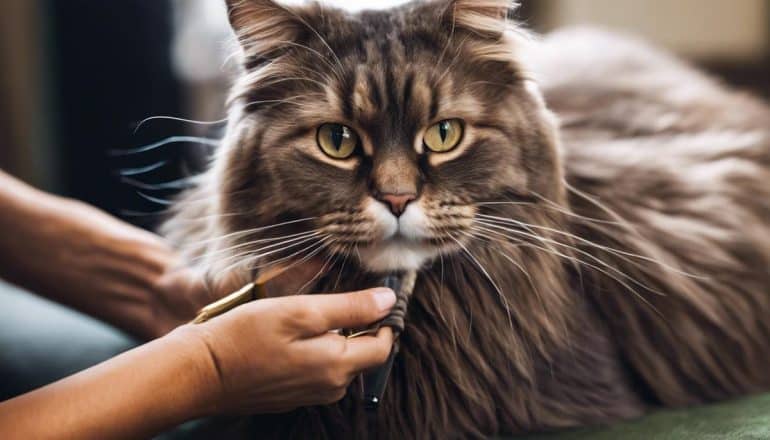
If you encounter mats or tangles, address these with the utmost care. Work slowly, teasing apart knots with fingers before gently working through them with a comb. In severe cases, seeking professional grooming assistance may be in the cat’s best interest to avoid any inadvertent tugging that may cause pain.
Eye and Ear Care:
Clean the areas around the eyes and ears gently with soft, damp cloths. For eyes, use a separate cloth for each eye to avoid cross-contamination. Ears should be cleaned only on the outside, as internal cleaning is best left to veterinarians.
Grooming as a Check-Up Opportunity:
While grooming, it’s also an opportune time to check for any lumps, bumps, or other changes in their body. Early detection can be pivotal in addressing potential health concerns, making grooming sessions not only about cleanliness but also about preventative care.
Above all, gentle grooming strengthens the bond between caregivers and their senior cats, becoming a ritual of care and love. It’s an act that communicates trust and provides comfort, enhancing the golden years of these cherished companions with a grace that only a tender touch can provide.
Health Monitoring During Grooming Sessions
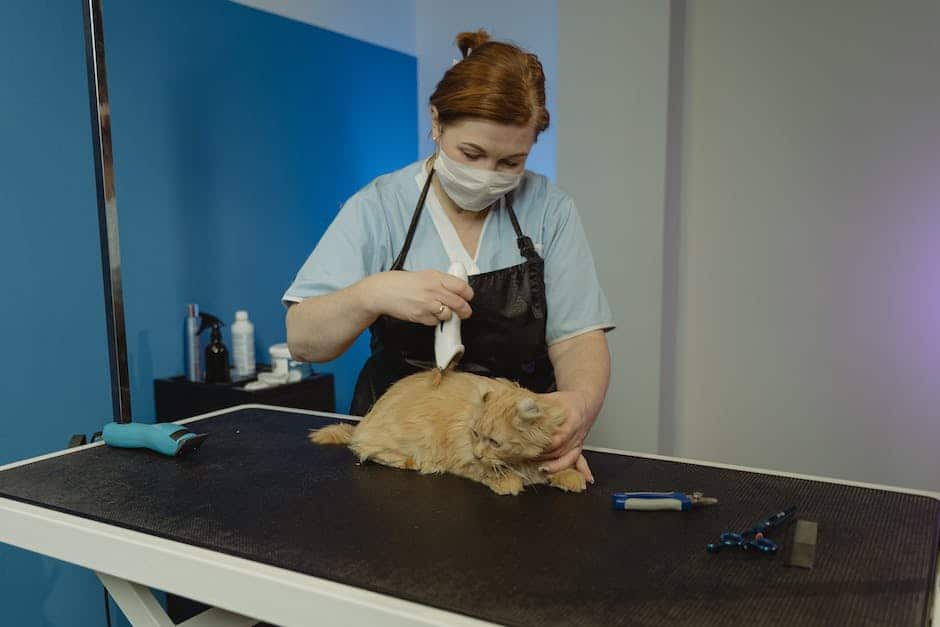
Grooming senior cats is not just about keeping them spick and span; it doubles as a detective mission for pet parents, scouting for tell-tale signs that indicate potential health issues. It’s a critical component of preventive healthcare for our furry companions in their golden years.
When engaging in a grooming session, be meticulous in examining your senior cat’s body. Pay close attention to any lumps, bumps, or swelling that could be felt beneath the fur. These may suggest the presence of growths, which warrant a closer investigation by a vet.
Moreover, while conducting your grooming routine, keep a lookout for parasites like fleas and ticks. The aftermath of an infestation, including excessive scratching or biting, can lead to hair loss or skin infections, especially in a senescent immune system that isn’t as sprightly as it used to be.
Ear checks are crucial, as they can uncover ear mites or yeast infections, which are prevalent in cats of all ages. Noticeable signs may include an unpleasant odor, discharge, or excessive wax build-up. Regular cleaning, using vet-approved methods and products, will aid in averting possible complications.
The eyes also serve as windows to a cat’s health. During grooming, observe any changes such as cloudiness, excessive tearing, or crusts around the eyes, as these can hint at vision problems or infections that become more common with age. Promptly addressing these ensures your senior cat doesn’t suffer from discomfort or loss of sight.
Cats pride themselves on their independence, but as they age, mobility issues or arthritis can make it hard for them to reach certain areas, leading to mats or knots. Treating matted fur isn’t purely aesthetic; it’s also a means to check for sore spots or skin irritation that could aggravate pain from arthritic conditions.
Remember, the approach to grooming should be tailored and respectful of your senior cat’s comfort threshold. If they demonstrate signs of distress or discomfort during grooming, it’s essential to pause and consult your veterinarian. This could be a red flag for pain or an undiagnosed health issue.
In uncovering the secret messages within your cat’s fur and skin, you’re not only ensuring they look their best, but you’re also taking proactive steps to monitor and uphold their health. Enfold these grooming insights into your routine, and provide the vigilant care that your senior cat deserves, ensuring their twilight years are as comfortable and love-filled as possible.

Embarking on the journey of diligent grooming for your senior cat fortifies the bond you share while providing an essential service to their well-being. Grooming transcends the mere act of keeping your cat’s coat lustrous; it becomes an avenue for vigilant health monitoring and a demonstration of endearing care. As caregivers, our role is to ease the transitions that come with age, ensuring our cherished companions sustain their dignity and quality of life throughout their twilight years. Gracefully supporting our aging felines through regular grooming is a tribute to their lifelong companionship and a testament to the depth of our affection for our furry family members.