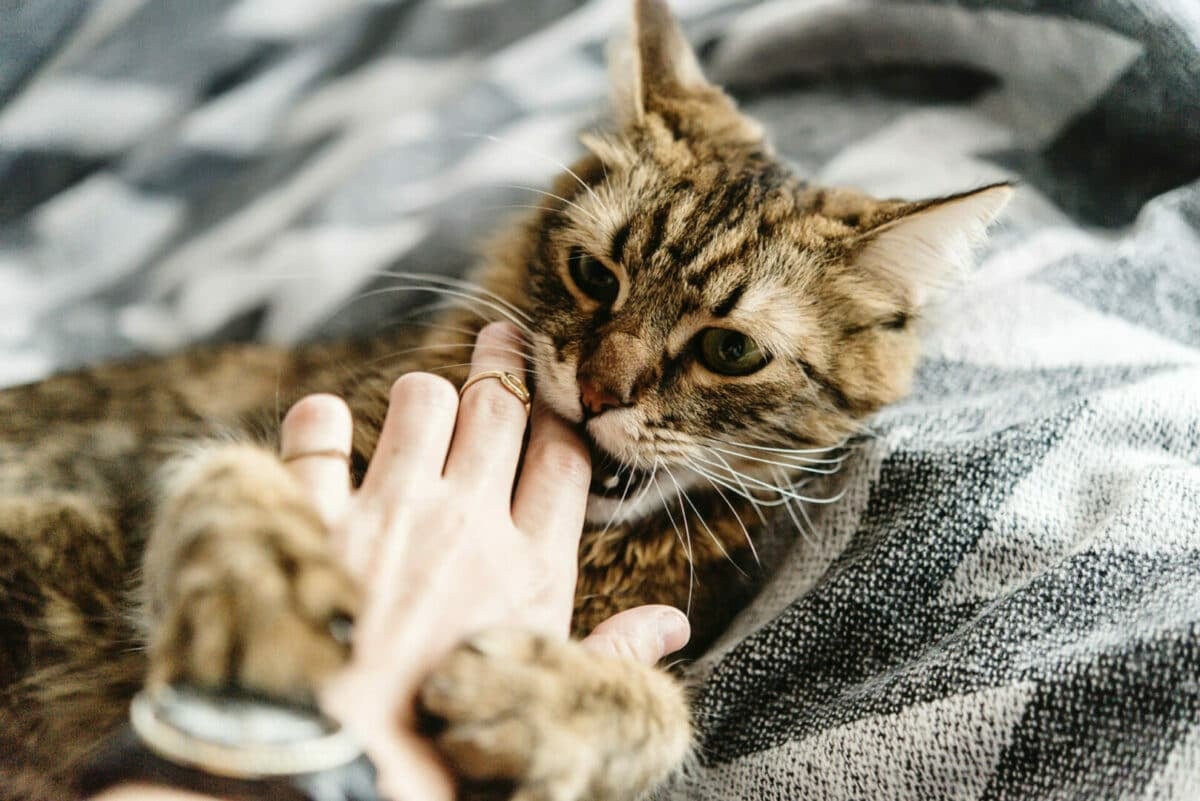
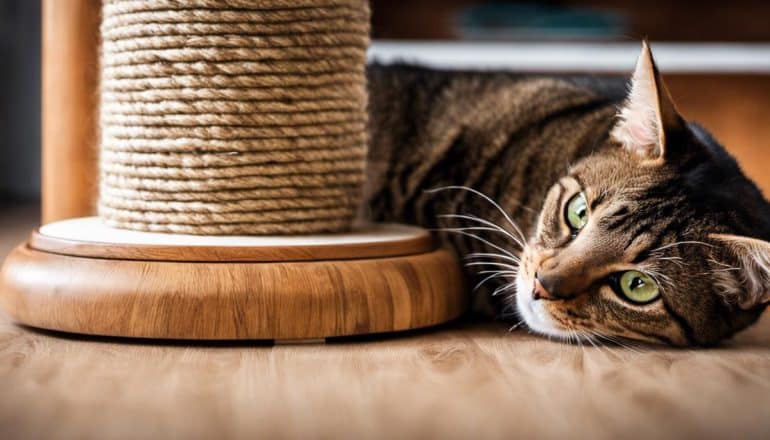
Neighborly disputes, hefty repair costs, and peace destroyed by the cacophony of a cat’s claws raking through plush upholstery; these all too familiar scenes provide evidence of the age-old feud between cats and furniture. As a cat owner, you are tasked with the challenge of preserving your cherished furnishings, all the while ensuring that your feline friend’s natural instincts are catered to. It’s not about quelling these instincts as much as redirecting them. Understanding the inherent reasons why cats manifest this behavior, such as territory marking and maintaining their nimble, could be your first guidepost to solving this dilemma.
Understanding Why Cats Scratch
The Mystery Behind Your Cat’s Furniture-Scratching Habit
Are you ever at a loss as to why our feline friends seem to have a love affair with your favorite chaise lounge or your priceless antique dresser? The truth is, it’s not an act of defiance, rather an age-old instinct that cats have possessed since their ancestors roamed the vast wilderness. It’s a natural part of their behavior for a plethora of beneficial reasons. If you’re scratching your head – pun definitely intended – on why cats have this urge, here’s a look at the primary reasons.
- Territory Marking
- Keeping Claws Healthy and Nimble
- Stretching and Flexing
- Coping with Stress and Excitement
First and foremost, cats are territorial creatures and have a unique way of leaving their mark. They scratch to indicate their ownership, not to ruin your tastefully chosen decor. When cats claw at furniture, they’re depositing their scent from the glands in their paws. This scent serves as a message to other cats – “This area is claimed!”
Scratching aids in the removal of the outer nail sheath allowing a fresh new layer to grow underneath. This is essential in maintaining the health and sharpness of their claws. It’s like their version of a manicure!
Cats aren’t into yoga, but they certainly have their way of keeping those bodies flexible and agile. Think of furniture scratching as their form of a good, satisfying stretch post those lengthy catnaps. By reaching out to the furniture and pulling down the surface, cats stretch their back and shoulder muscles, promoting good overall health.
Just like we might tap our feet or bite our nails, cats scratch when they’re anxious or excited. If something has disrupted their environment or a new piece of furniture has appeared, scratching may be their way of coping.
Understanding the natural behavior of our feline friends will go a long way in managing their scratching habits. Now the mission becomes shifting their focus from your furniture to more acceptable alternatives like scratching posts, boards, or toys. Remember, patience is key here, and each little success deserves a celebration.
So next time you witness your cat engaging in this apparently destructive act, take a pause and remember – they’re simply being intricate well-being warriors executing their daily routine. Who knows? We may even end up learning a thing or two about self-care from our regal, furry companions!
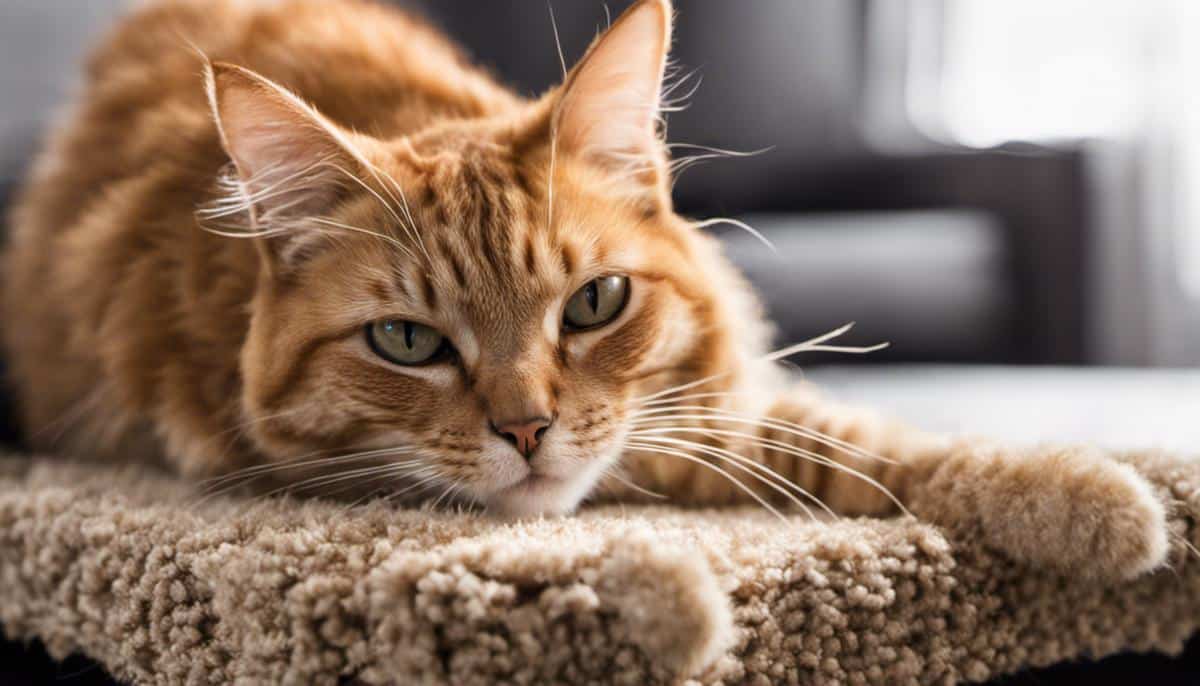
Provision of Scratching Alternatives
Attracting Your Furry Friends: Creative Solutions to Distract Your Cat from Your Furniture
Indeed, many reasons cause our favorite feline members to restlessly claw away at beloved furniture pieces. It may range from marking territory to maintaining healthy, nimble claws, or dealing with stress and excitement. Also, it’s a form of exercises as they engage in vigorous stretching and flexing.
Nevertheless, before you surrender that high-end leather couch or stylish ottoman to furry little claws, consider these innovative alternatives. These ideas are geared towards shifting their focus from your furniture pieces to more acceptable options. Let’s dive right into them.
- Scent Deterrence: Cats possess an astoundingly well-developed sense of smell. They’re averse to certain odors like eucalyptus, citrus, rosemary, or lavender. By spraying these scents on your furniture, you can make them less appealing to your meowing companions.
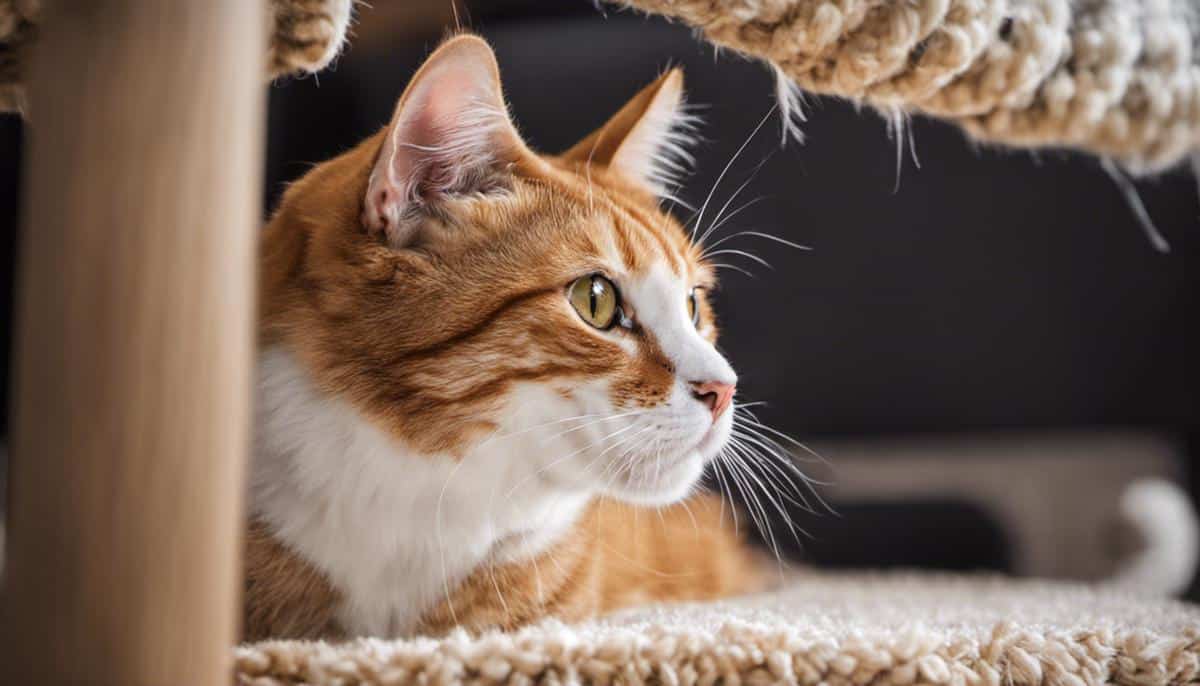
- Cat Condos and Trees: Cats love high vantage points, a trait born out of their lineage with big cats. Installing cat trees or condos in the house can serve as an appealing alternative to your furniture. Look for durable, claw-friendly designs that incorporate scratching areas.
- Interactive Toys: Who says toys are for kittens only? Engage your cat’s playful side with interesting toys like laser pointers, interactive balls, or battery-operated toy mice. This not only diverts their attention but also enriches their mental and physical health.
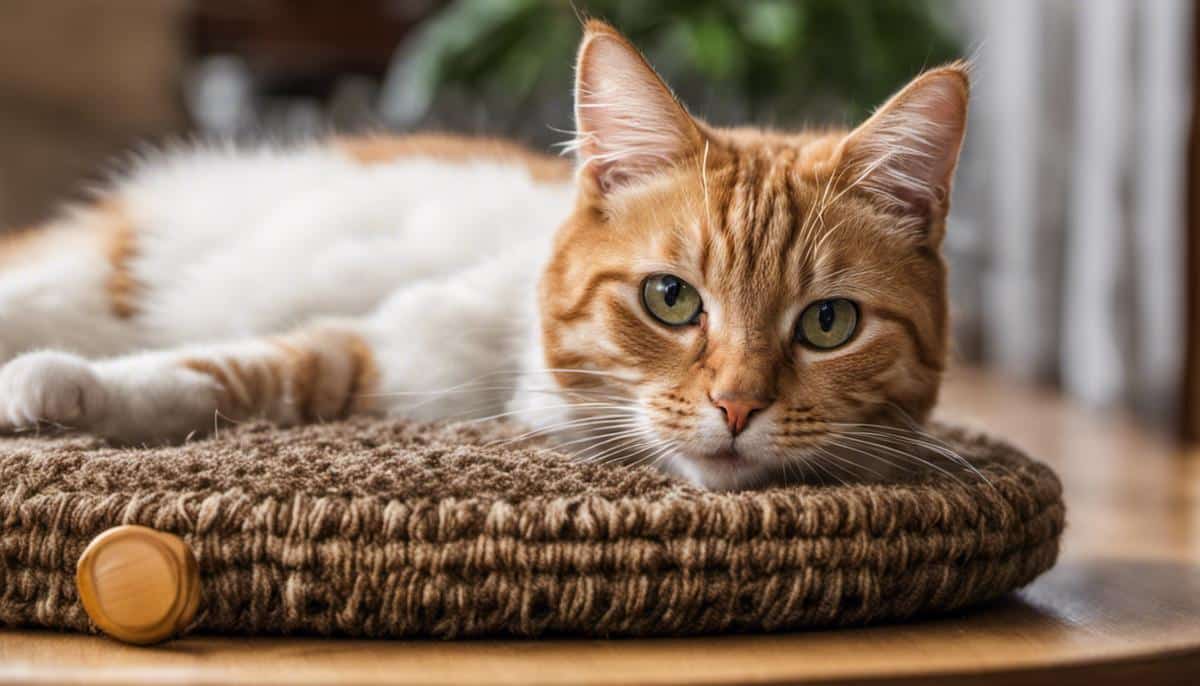
- Furry Furniture: As much as you love your plush couch, cats love a soft, warm surface too. Buy cat-specific furniture with built-in scratching areas. With their own comfy space to nestle and sharpen those claws, your furniture will suddenly lose its attraction.
- Regular Nail Trims: By maintaining your cat’s nails at a healthy length, you’ll reduce the need for them to sharpen their claws. It may be beneficial to get your vet’s guidance on the safe length and frequency of trimming.
- Catnip-Infused Scratch Pads: Cats are inherently attracted to catnip. Place several catnip-infused scratch pads around your home. Before long, your feline friend will be rolling over, kneading, and happily scratching the pads.
These are proven strategies that redirect your cat’s attention, providing them a more appropriate outlet for their natural instincts. By catering to the inherent needs and preferences of your feline friend, you’re not just saving your furniture but also offering a more fulfilling, joyful environment for your precious pet. After all, a happy cat means a happy home!
Use of Deterrents and Training
Embarking deeper into the journey of cat parenting, it’s essential to focus on balanced measures that combine deterrents with behavioral training while reinforcing positive interaction. Below are some effective methods to prevent your furry friend from turning your furniture into their personal scratching playground.
Introducing vinyl, sticky tape products designed specifically for pets could act as a dynamic deterrent. Cats prefer to scratch surfaces that are rough or textured, but not sticky. Covering the preferred scratching areas on the furniture with these products creates an invisible deterrent that cats dislike, making them avoid scratching there.
Phenomenon called “soft paws” or “cat caps” can also be considered. These are small vinyl caps that are gently glued on to a cat’s claws, acting as a protective cover. Soft paws are safe, affordable, and come in various colors and sizes, ensuring a fun yet practical solution to your cat scratching issues.
Another valuable approach is to use furniture sprays with scents unappealing to cats. Ingredients like rosemary, citrus, and cinnamon are often disliked by felines, and spraying furniture with these aromas can deter them from scratching.
On the training front, one must always remember that patience and tolerance are key. Start by rewarding your cat for scratching acceptable objects like a post, thus encouraging repeated behavior. Practices like placing treats on or near the post, or sprinkling it with catnip, can make these objects more attractive to cats. It’s always delightful to see your cats happily engaged in their posts, isn’t it?
Suppose your feline friend is adamant about scratching your precious furniture, consider using a technique called “interrupt and redirect.” When you catch them in the act, distract them without scaring or intimidating them, and gently lead them towards their scratching post. Try this, and thank us later!
Another vital part of the process is consistency in their natural behavior of scratching. You can orchestrate this by engaging them in activities that stimulate their urge to scratch, like playing with interactive toys or rotating scratching posts. Several options are widespread and quite effective, such as puzzle toys or feather wand toys.
Lastly, remember that behavior modification doesn’t happen overnight. Be patient, consistent, and offer as much positive reinforcement as possible. Share any setbacks or successes with friends or online communities; you’d be amazed how many people are going through the same experience. Keep striving, keep believing, and soon enough, your furniture will be free from unwanted cat scratches! Consider your journey as a cat parent as an opportunity to forge a deeper bond with your feline companion.
The quest to protect your furniture from the assault of feline claws need not be a battle. With an infusion of patience, the application of deterrent tactics, the right training methods, and provision of suitable alternatives you can guide your cat’s natural instincts towards designated scratching posts and mats instead of your favorite sofa. The ultimate antidote to destructive feline scratching lies in aligning with the biology and psychology of cats. By choosing accompaniment over opposition, you can help your cat exercise this natural behavior in a manner that is conducive both to you and them, and restore tranquillity in your household once again.